Spring and Summer are a busy time of year for school districts related to small facilities projects. Recent code interpretations and enforcement by the Division of the State Architect (DSA) are changing how projects—especially interior modernizations—must be approached. What used to be considered a straightforward interior upgrade now carries broader site implications that cannot be overlooked.
The Shift in ADA Compliance
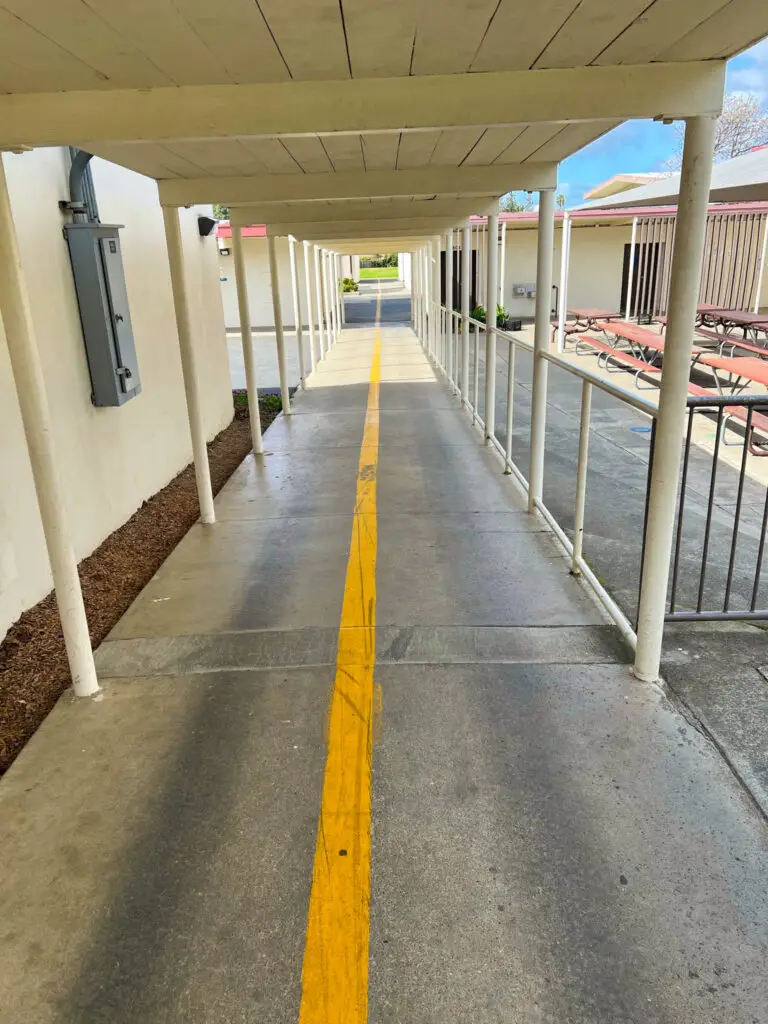
DSA requires that all California TK–12 school projects address ADA compliance. More notably, even interior modernization projects must now include an accessible path of travel from the public way (curb or parking area) to the school office. This includes:
- Accessible parking
- Drop-off areas
- Continuous compliant routes to the building
As a result, civil engineering is now a necessary component, even when no exterior work was originally planned.
The Impact of Late Discovery
This shift has caught many teams off guard—particularly architects, who may not yet be aware that DSA will not approve interior projects unless these ADA path of travel requirements are addressed. The consequences of missing this scope early are significant:
- Plan Revisions: If ADA scope is identified late, plans must be revised.
- Timeline Delays: DSA review timelines typically add 1–2 months for small projects and up to 4–6 months for larger ones.
- Academic Disruption: For districts working within tight construction windows, this can mean missing critical “summer-sprint” schedules and delaying occupancy for the academic calendar.
Start Early to Avoid Costly Delays
The key to avoiding these issues is early coordination and proactive planning. Design teams should:
- Engage a civil engineer and/or land surveyor immediately once the architect is selected.
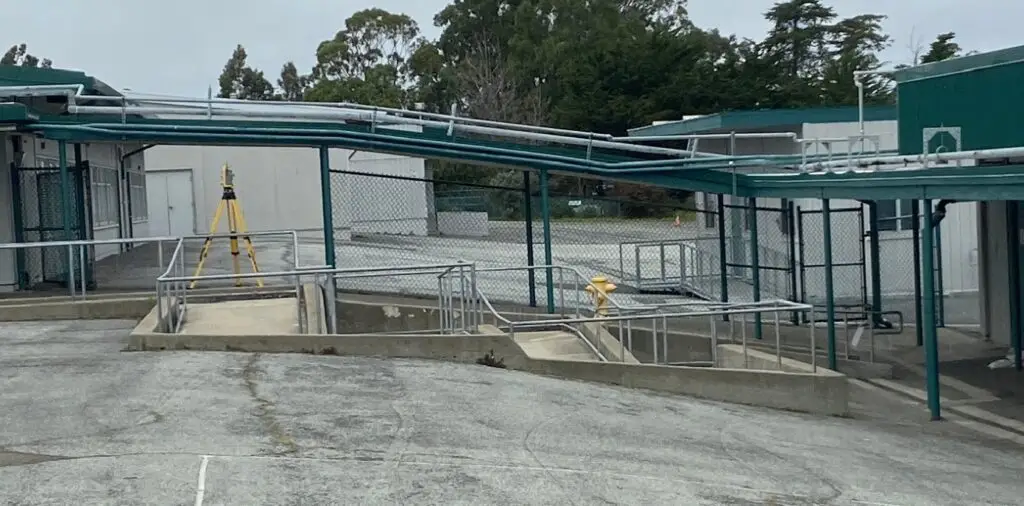
- Include them in the initial site walk to assess existing conditions and identify ADA compliance gaps.
- Incorporate ADA scope early into the architect’s agreement with the district if deficiencies are identified.
- Ensure project plans clearly reflect accessibility requirements.
In some cases, districts may even consider hiring a civil engineer and surveyor upfront to begin evaluating site conditions before a design team is assembled for any work on a campus.
Right-Sizing the Scope Matters
Another critical—but often overlooked—factor is defining the appropriate scope of survey work. Not every project requires a full site survey. An experienced surveyor will ask the right questions to understand the project’s intent and tailor their work accordingly.
An inexperienced approach can lead to over-scoping, triggering:
- Unnecessary costs
- Extended timelines
- Formal procurement processes (RFPs and school board approvals)
These added steps can delay a project by months and strain already limited budgets.
The Value of an Experienced Partner
Firms like Underwood & Rosenblum (U&R), civil engineers and surveyors, bring decades of experience navigating DSA requirements and ADA compliance for school projects. By getting involved early—especially during initial site walks—we help identify potential issues before they become costly roadblocks.
U&R acts as a strategic partner to both the district and design team, helping define a right scope, align budgets, and streamline the path to DSA approval. Our approach is grounded in practical experience and critical thinking—ensuring that projects meet compliance requirements without unnecessary time or expense.
Final Thought
In today’s regulatory environment, there’s no such thing as a “simple” interior school project. ADA path of travel is now a fundamental requirement—and addressing it early can mean the difference between a smooth approval process and months of delay and added costs.
The takeaway is clear: plan early, engage the right expertise, and define the scope carefully. Doing so will keep your project on track, on budget, and aligned with the school’s schedule.