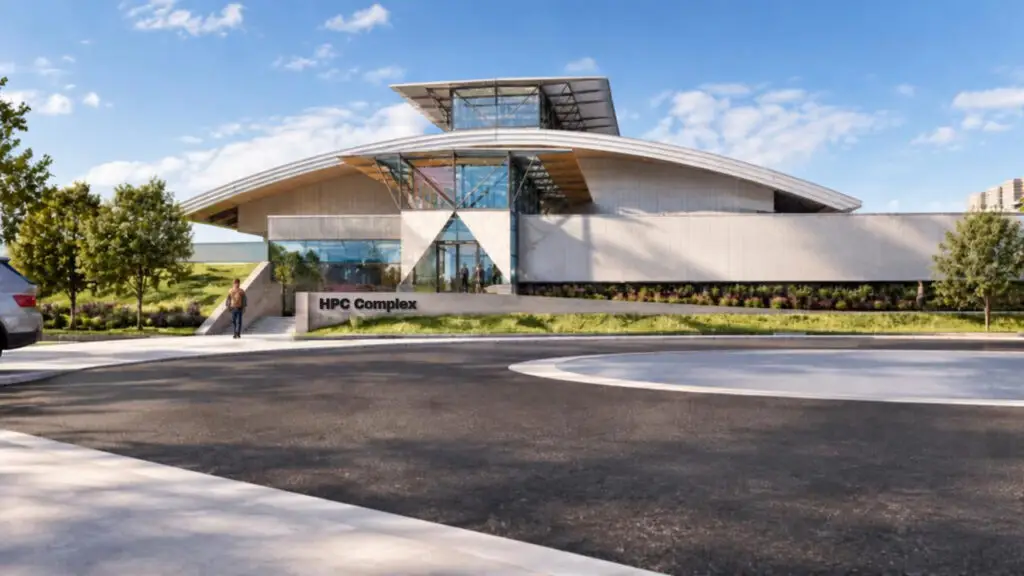
In the fast-paced world of technology, a successful company’s growth is often reflected in the expansion of its physical campus. What begins as a single building can quickly evolve into a sprawling hub of research, development, and collaboration. While the architects focus on innovative building designs and the landscape architects create inviting green spaces, a crucial, often unseen element underpins the entire operation: robust and resilient utility infrastructure.
For expanding tech campuses in California, particularly in the infrastructure-dense Silicon Valley, a haphazard, reactive approach to utility design is a recipe for disaster. It can lead to costly disruptions, limited future flexibility, and a failure to meet the demands of a high-tech environment. A strategic, proactive approach, guided by experienced civil engineers, is essential.
Here are the key utility infrastructure design considerations for expanding tech campuses:
1. Scalability and Future-Proofing:
Tech companies are defined by their rapid growth. The utility infrastructure—including water, sanitary sewer, storm drainage, and electrical conduits—must be designed with this in mind. Instead of sizing pipes and conduits for today’s needs, a forward-looking design should anticipate a 10, 20, or even 30-year expansion plan. This includes:
- Oversizing Trunk Lines: Designing main utility lines with sufficient capacity to support future building phases, avoiding the need for costly and disruptive replacements down the line.
- Strategic Layout: Placing utility corridors and manholes in locations that won’t conflict with future buildings, roadways, or open spaces, ensuring accessibility for maintenance and future connections.
- Multi-Purpose Conduits: Installing empty conduits for future fiber optic cables, security systems, or smart campus technologies, providing flexibility without tearing up newly finished areas.
2. Redundancy and Reliability:
A utility outage on a tech campus can be catastrophic, leading to data loss, a halt in operations, and a significant financial impact. To mitigate this risk, redundancy is not a luxury—it’s a necessity.
- Dual Feed Systems: Designing electrical and water systems with multiple entry points or loops, so if one line fails, a backup can immediately take over.
- Segmented Networks: Dividing the campus into different utility zones that can be isolated. This allows for maintenance or repairs in one area without affecting the entire campus.
- Emergency Power Integration: Ensuring the utility design can seamlessly integrate with backup generators and Uninterruptible Power Supply (UPS) systems to provide continuous power to critical facilities like data centers.
3. Stormwater Management and Water Quality:
In California, compliance with stringent stormwater regulations is critical. Expanding an impervious footprint with new buildings and parking lots increases stormwater runoff, which must be managed effectively to prevent flooding and protect local waterways.
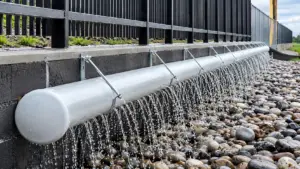
- Low Impact Development (LID): Incorporating sustainable design features like bioswales, rain gardens, and permeable paving to treat and infiltrate stormwater naturally.
- Advanced Drainage Systems: Designing a comprehensive storm drainage network that can handle increased runoff, using underground detention or retention systems if necessary to manage peak flows.
- Water Quality Treatment: Implementing systems to remove pollutants from stormwater before it leaves the site, ensuring compliance with National Pollutant Discharge Elimination System (NPDES) permits.
4. Sustainable and Smart Campus Integration:
Modern tech companies often lead the way in sustainability. The utility infrastructure should reflect this commitment.
- Recycled Water Systems: Designing for the use of recycled water for irrigation or other non-potable uses, significantly reducing the campus’s reliance on drinking water.
- Smart Metering: Integrating smart utility meters to monitor water and energy consumption in real-time, providing data that can be used to identify efficiencies and reduce costs.
- Infrastructure for Electric Vehicles (EVs): Planning for the future of transportation by designing and building the electrical infrastructure to support a growing number of EV charging stations across the campus.
5. Partnering with a Civil Engineering Expert:
Successfully navigating these complex design considerations requires more than just a passing knowledge of engineering. It requires deep experience with local regulations, a clear understanding of the unique demands of tech campuses, and a forward-thinking mindset.
At Underwood & Rosenblum, our civil engineers specialize in designing the foundational infrastructure for some of California’s most innovative companies. We work as a strategic partner to ensure your campus expansion is not just aesthetically pleasing but is also built on a resilient, scalable, and sustainable foundation that will support your growth for decades to come.
Expanding your tech campus in California? Contact Underwood & Rosenblum today to discuss how our civil engineering expertise can help you build the infrastructure for your future success.